E-Wallet App Development Services

Prostrive builds custom e-wallet apps for FinTech startups, payment providers, banks and platforms that want their own digital wallet, as part of our payment software development services. Our e-wallet app development services cover the full product: the customer app on iOS, Android and web, the ledger that keeps every balance accurate, the back office your team runs on, and the integrations with banks, card issuers and KYC providers. You own the code and the IP.

Let's talk

We Build Your E-Wallet Around the Fund Flow, Not the Screens

Most e-wallet application development starts with the app. We start with the money: a double-entry ledger that balances after every top-up, transfer and refund, and reconciles with what your banking partner reports. The screens come after that.

Your licence model shapes that ledger. Holding funds as an e-money institution, working through a licensed partner or running a closed-loop wallet each calls for a different architecture, so we settle it with you before development starts.

Securing the licence itself is for you and your legal advisers; we build to the model you choose.

Wallet Types

Types of E-Wallet Apps We Develop

Most e-wallet projects start from one of the types below, and many combine two. Each type changes who can top up, where the balance can be spent and whether it can be withdrawn as cash. That decides the licence you need and how the ledger is built. Whichever type you choose, we deliver the wallet on iOS, Android and web from one shared backend.

  • Closed-Loop Wallets

    A closed-loop wallet holds a balance that can only be spent with one brand, such as a retail chain, a transport operator or a gaming platform. We build the top-up flows, the loyalty and rewards logic, and the redemption rules. Because funds stay inside one network, some closed-loop wallets fall outside e-money rules, but refunds and withdrawals still need careful design.

    Let's talk
  • Semi-Closed Wallets

    Semi-closed wallets let users pay a defined network of partner merchants without cashing the balance out. We build the merchant onboarding, the settlement to each partner, and the transaction limits the network needs. This model suits marketplaces, mobility services and loyalty coalitions.

    Let's talk
  • Open-Loop Wallets

    Open-loop wallets work like a payment account: users top up by card or bank transfer, pay wherever the wallet is accepted and withdraw to their bank. We connect the wallet to payment gateways, card schemes and banking rails, and design the onboarding and authentication a regulated stored-value product demands.

    Let's talk
  • Multi-Currency Wallets

    Multi-currency wallets hold balances in several currencies and convert between them at a quoted rate. We build the currency accounts, the quote and conversion flow, and a ledger that tracks each currency separately, so cross-border users and businesses always see accurate balances.

    Let's talk
  • P2P Payment Apps

    P2P payment apps let users send money to each other by phone number, contact or QR code, split bills and request payments. We build instant transfers between wallets, payouts to bank accounts and the notifications that confirm each step for both sides of the transaction.

    Let's talk
  • Merchant Wallets

    Merchant wallets let businesses accept wallet payments in-store and online, through QR checkout, payment links and recurring billing. We build the merchant onboarding, the checkout flows and the settlement, and refund reporting a finance team needs.

    Let's talk
  • Embedded Wallets for Platforms

    An embedded wallet adds a balance to a product you already run, such as a marketplace, a gig platform or a SaaS tool, so users can get paid, hold funds and spend them without leaving it. We integrate the wallet into your existing app and backend, and connect it to the licensed partner who holds the funds.

    Let's talk
  • Crypto-Enabled Wallets

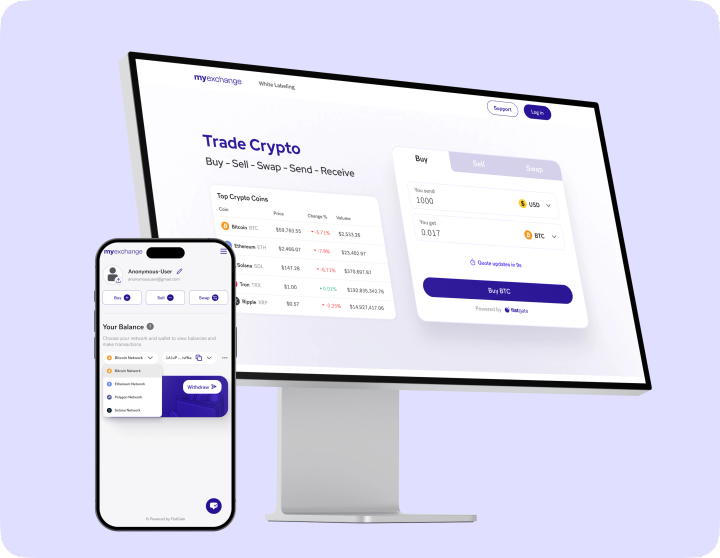
    Crypto-enabled wallets hold digital assets alongside fiat, with on- and off-ramps between the two. We build custodial and non-custodial wallets, connect exchange and custody providers, and design for MiCA when you serve EU users. Our team built FiatGate, a white-label platform for branded non-custodial crypto wallets and exchanges.

    Learn more

What We Build Into an E-Wallet App

An e-wallet product is three systems that have to agree at all times: the app your customers use, the back office your team runs and the integrations that move real money in and out. We build all three on one ledger, so a balance in the app always matches the records your operations team and your banking partner see.

Customer App Features

Onboarding with identity checks, top-ups by card or bank transfer, transfers, QR payments, withdrawals, transaction history with digital receipts, push notifications, and virtual or physical cards. Logins and payments use strong customer authentication under PSD2, such as biometrics on a registered device.

Back-Office Controls

Your operations team manages users, KYC status, fees, transaction limits, refunds and disputes from one back office. It includes reconciliation against your banking and payment partners, reporting for finance and a full audit trail, with role-based access to personal data in line with GDPR.

Bank and Provider Integrations

We connect the wallet to payment gateways, banking partners, card issuers, open banking APIs and KYC providers, plus AML screening and transaction monitoring services. Card data is tokenised through the processor, so it never sits in your database, and your PCI DSS scope stays small.

E-wallet app, back office and integrations
Why Prostrive

Why Choose Prostrive as Your E-Wallet App Development Company

Choosing an e-wallet app development company comes down to whether it understands money movement, compliance and your business, not just mobile apps. Here's what working with us looks like in practice.

Payment Products Already Live

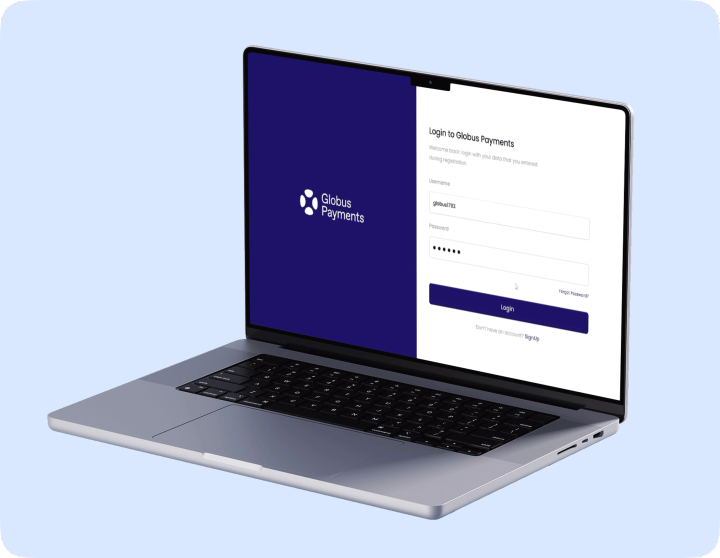
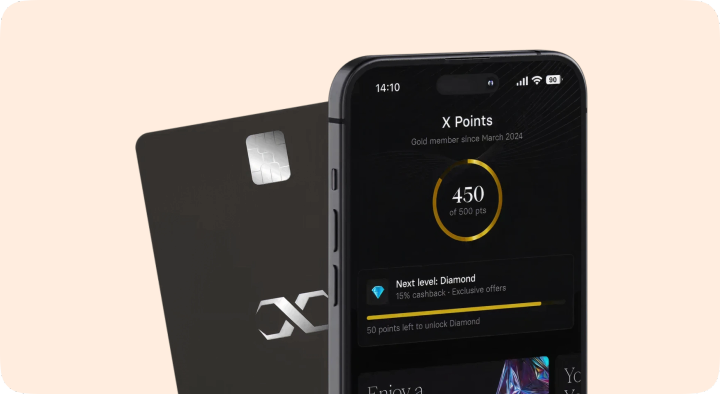
We've built payment products that move real money. For Globus Payments, an EMI-licensed provider in London, we built the API integrations with financial institutions and the compliant client onboarding. For Axys, we built the card infrastructure, including crypto top-up of the card balance.
Compliance Designed Into the Architecture

PSD2, PCI DSS, KYC, AML and GDPR shape the first architecture decisions, not a checklist before launch. That keeps late rework off your roadmap and gives you documented controls to show your banking partner, acquirer or auditor.

Your Code and Intellectual Property

In a custom build, you own the code and the intellectual property under every collaboration model. There's no platform licence to renew, and no vendor you're tied to when you change providers or bring development in-house.

Honest Advice on Build Versus White-Label

If you need a standard wallet live quickly and won't compete on features, a white-label platform can be the better route, and we'll tell you so. Custom development pays off when the wallet is your product, or when it has to fit a platform you already run.

Developers in Your Standups and Slack

Our developers join your standups and Slack channels and work as part of your team. Western on-site management in our hubs, plus cultural workshops and communication training, keeps quality and communication at the level you'd expect locally.

No Long-Term Contracts

Scale the team up when you add a card programme or a new market, and down again after launch. There are no long-term contracts in any engagement model, and your team can start within weeks, not months.

Our Process

Our E-Wallet App Development Process

Every e-wallet project runs through the same four steps. The first one takes out most of the risk: by the time we design screens, the fund flow, the licence model and the compliance scope are already on paper.

Step 1: Discover & Define - Process illustration
Step 2: Assemble Elite E-Wallet Teams - Process illustration
Step 3: Design, Develop & Deliver - Process illustration
Step 4: Nurture & Evolve - Process illustration
Build your team
Technologies

Our E-Wallet Development Tech Stack

We choose technology for accuracy under load. Transaction services run on Node.js and Python, with Kafka and Redis Streams moving events between the ledger, notifications and reporting in real time. Customer apps are built in React Native or Flutter for iOS and Android, and in React for web. Docker and Kubernetes on AWS let the platform scale with your transaction volume.

Angular
.NET
C#/C++/C
PHP
Pulumi
Databricks
Flutter
React.js
JavaScript
Docker
Kubernetes
AWS
Angular
.NET
C#/C++/C
PHP
Pulumi
Databricks
Flutter
React.js
JavaScript
Docker
Kubernetes
AWS

Collaboration Models for E-Wallet Development

How you work with us depends on the team you already have and how clearly your wallet is defined. In every model, you own the code, and there are no long-term contracts.

Dedicated E-Wallet Teams

Dedicated Teams work only on your product and report to you. This suits a wallet that keeps growing, where knowledge of your fund flows, providers and compliance requirements builds up inside the team over time.

Team-as-a-Service

With Team-as-a-Service, you set the goals and priorities while we manage the team day-to-day and own delivery, oversight and quality control. It fits when you want e-wallet expertise without managing developers yourself.

Project-Based E-Wallet Development

Project-Based Development takes your e-wallet from discovery to launch as one complete build against a defined brief. It suits founders and payment companies who know what the wallet has to do and want one team accountable for it.

The Team Behind Your E-Wallet App

Your e-wallet team combines backend engineers who've worked on ledgers and payment integrations, mobile and web developers, designers who know regulated onboarding flows, and QA engineers who test money movement end to end. Every team works under Western on-site management and follows the same standups, tools and code reviews as your in-house developers.

Global Reach

Established in 2021. Our team spans 4 countries (The Philippines, The Netherlands, Hong Kong, Armenia), delivering 100+ transformative projects across the world.

Our Work

Trusted by companies we've helped grow

A selection of the products our embedded teams have helped build.

  • Globus

    Globus Payments

    Globus Payments is a London-based provider of EMI-licensed payment solutions for the logistics sector. Our team built the API integrations that connect its payment services to its clients' systems.

    Read the case study
  • Axys Holding

    Axys

    Axys provides card solutions for high-net-worth individuals, with crypto top-up of the card balance. We delivered the web development behind the platform.

    Read the case study
  • Fiatgate

    FiatGate

    FiatGate is a white-label platform that lets businesses launch their own branded, non-custodial crypto wallet and exchange. We built the complete platform in JavaScript, with third-party APIs for wallet management and exchange functionality.

    Read the case study
View all case studies

Plan Your E-Wallet App on a Discovery Call

Tell us what your wallet needs to do, who holds the funds and where you're launching. In a discovery call, we talk through the fund flow, the build or white-label question and the team you'd need, so you leave with a clear next step.

FAQs

Frequently Asked Questions About E-Wallet App Development