
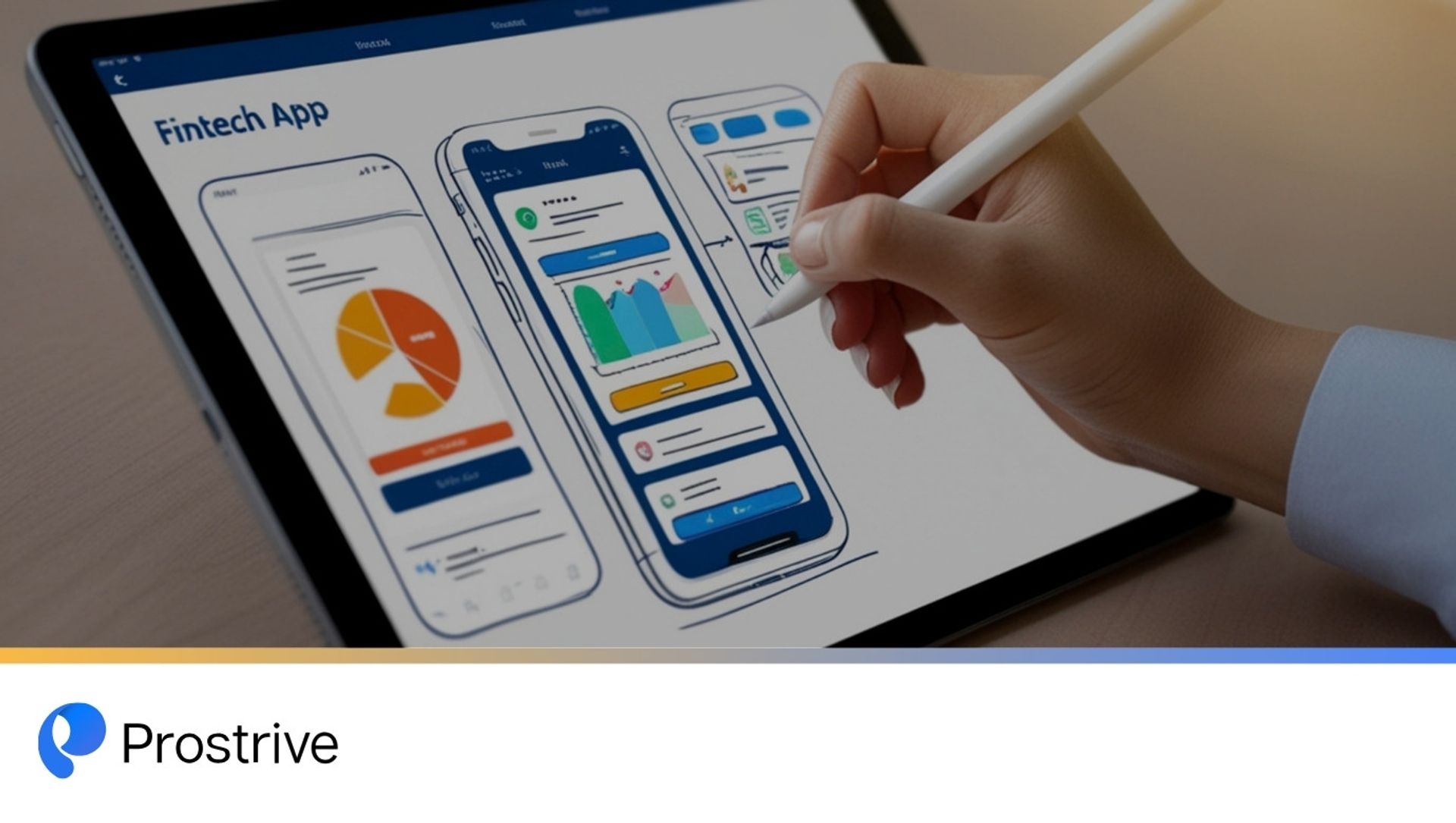
FinTech software architecture is the foundation behind every secure payment, digital banking app, investment platform, lending solution, and financial analytics tool you see in today’s market. It defines how financial systems are structured, how components communicate, how data flows securely, and how platforms scale under heavy transaction loads without compromising performance or compliance. In an industry where milliseconds matter and trust is everything, architecture is not just a technical concern, it is a strategic business decision.
Modern financial technology platforms must process real time transactions, protect sensitive financial data, comply with strict regulatory frameworks, and remain flexible enough to evolve as markets shift. That combination of scalability, security, resilience, and adaptability requires deliberate architectural choices from day one. Whether you are building a payment gateway, a digital banking ecosystem, or investing in FinTech software development, the underlying system design determines how efficiently your business can grow.
What FinTech Software Architecture Means
FinTech software architecture is the blueprint that defines how a financial system is designed, built, and operated. While fintech software development focuseson building financial applications and digital platforms, fintech software architecture defines how those systems are structured to ensure scalability, security, and compliance. It determines how applications, services, databases, APIs, and security layers work together to deliver secure and reliable functionality. In practice, it is the technical backbone behind digital payments, online banking, lending platforms, trading systems, and financial analytics tools.
Financial technology operates in a highly regulated and risk sensitive environment. Systems must process real time transactions, protect sensitive customer data, prevent fraud, and comply with standards such as KYC, AML, PSD2, PCI DSS, and data protection laws. Architecture in FinTech is therefore not just about performance. It is about safeguarding trust, ensuring data integrity, and maintaining full auditability.
A strong architecture supports high availability, horizontal scalability, layered security, and modular design. It allows platforms to handle transaction spikes, integrate new services, and adapt to regulatory changes without disrupting core operations.
From a business perspective, architectural decisions directly influence speed to market, operational efficiency, and long term growth. Choices around monolithic or microservices design, cloud infrastructure, API strategy, and data management shape the reliability, flexibility, and competitiveness of your financial product.
Core Architectural Requirements
FinTech platforms operate in a high risk and highly regulated environment. Every architectural decision must support security, performance, compliance, and long term scalability. Unlike standard SaaS systems, financial applications process sensitive data, execute monetary transactions, and are subject to strict regulatory oversight.
At a minimum, FinTech software architecture must protect financial data, ensure accurate transaction processing, and maintain continuous availability. Systems need to be resilient against cyber threats, capable of handling transaction spikes, and flexible enough to adapt to changing regulations. Transparency and traceability are essential so that every action can be audited and validated.
These requirements influence everything from authentication models and API security to database design, infrastructure setup, and failure recovery strategies. Layered security, fault tolerance, horizontal scalability, and modular design are not optional. They are foundational.
When designed correctly, architecture becomes a growth enabler rather than a constraint. It supports innovation while maintaining stability, compliance, and operational control. For financial institutions, startups, and digital banks, these core requirements determine whether a platform can scale with confidence or struggle under pressure.
Security, Compliance & Data Integrity
Security is non negotiable in FinTech. Financial systems must protect sensitive data such as personal identification information, transaction records, and payment credentials. Strong encryption standards, secure authentication mechanisms, and strict access control policies are core elements of the architecture.
Compliance requirements such as KYC, AML, PSD2, PCI DSS, and GDPR influence system design at multiple levels. This is particularly relevant for organizations involved in insurance software development, where compliance requirements, data protection, and auditability are equally critical. Logging, audit trails, data retention policies, and reporting mechanisms must be embedded into the architecture rather than added later.
Data integrity is equally critical. Transactions must be processed accurately and consistently, even during peak loads or partial system failures. Payment flows sit at the centre of most financial systems, which makes payment software development one of the highest risk areas.
A well designed architecture ensures that security and compliance are not obstacles to innovation but integrated capabilities that support sustainable growth.
Reliability, Performance & Scalability
Financial applications often operate in real time. Users expect instant transfers, immediate balance updates, and seamless payment experiences. This requires low latency processing, high availability, and fault tolerant system design.
Scalability is another core factor. As transaction volumes increase or new markets are entered, the architecture must scale horizontally and vertically without major redesign. Load balancing, distributed systems, event driven processing, and database optimization play a central role in achieving consistent performance.
For fast growing FinTech startups and established financial institutions alike, scalable architecture directly affects customer trust and business continuity.
Maintainability & Operational Control
Financial software is never static. Regulations evolve, customer expectations change, and new technologies emerge. Maintainable architecture allows teams to update features, fix issues, and integrate new services without destabilizing the entire system.
Clear separation of concerns, modular design, automated testing pipelines, and observability tools contribute to long term maintainability. Operational control through monitoring, logging, and incident management ensures that technical teams can respond quickly to disruptions and maintain service quality.
How FinTech Systems Are Structured
FinTech systems are not standalone applications. They are interconnected ecosystems of services, databases, APIs, security layers, and cloud infrastructure working together to process transactions securely and in real time.
Most modern platforms follow a layered structure. The presentation layer handles web or mobile interfaces, which are typically delivered through dedicated FinTech app development and secure FinTech web development practices. The application layer manages business logic such as payments, risk checks, and compliance workflows. The data layer ensures secure storage of transactions, user data, and audit logs. Around these layers, infrastructure components support scaling, monitoring, and security enforcement.
Many FinTech architectures use modular or microservices based designs, where separate services handle domains like payments, identity verification, or fraud detection. These services communicate through secure APIs, often managed by API gateways that control authentication and traffic. This approach improves scalability, flexibility, and regulatory control.
Cloud infrastructure, event driven communication, and a mix of transactional and analytical data stores further strengthen performance and resilience. At Prostrive, we design structured, scalable FinTech architectures that integrate smoothly into your ecosystem while leaving room for continuous innovation.
Architectural Styles
FinTech platforms typically follow either a monolithic or microservices architecture, or a hybrid approach that combines elements of both.
In a monolithic architecture, all core functionalities such as payments, authentication, reporting, and account management are built into a single application. This can simplify early development and reduce initial complexity. However, as systems grow, scaling and updating individual components becomes more challenging.
Microservices architecture divides the system into independent services that communicate through APIs. Each service handles a specific business capability, such as transaction processing or fraud detection. This enables independent scaling, faster deployments, and improved resilience. For many modern FinTech platforms, microservices offer greater flexibility and long term scalability, although they require strong DevOps practices and clear governance.
Technology Stack & Data Architecture
The technology stack forms the technical foundation of a FinTech system. Backend technologies such as Java, Kotlin, Node.js, or .NET are often chosen for robustness and ecosystem maturity. Frontend frameworks such as React or Angular enable secure and intuitive user interfaces. Mobile applications are typically developed using native or cross platform technologies depending on performance and user experience requirements.
Data architecture is equally important. Financial systems rely on relational databases for transactional integrity, combined with distributed data stores for analytics and high throughput workloads. Data modeling, indexing strategies, and replication mechanisms ensure that transaction processing remains accurate and fast.
A resilient architecture depends on solid FinTech backend development, where transaction logic, queues and data stores carry the real load.
Advanced FinTech platforms also integrate data lakes, real time streaming, and analytics engines to power risk modeling, fraud detection, and financial forecasting.
Infrastructure & API Integration
Modern FinTech solutions increasingly rely on cloud infrastructure. Cloud environments offer elasticity, automated scaling, and global availability. Containerization and orchestration technologies improve deployment consistency and operational efficiency.
API integration is central to the FinTech ecosystem. Modern fintech API development enables secure communication between payment providers, banking systems, identity verification services, and third party platforms. Open banking APIs, payment service providers, credit bureaus, identity verification services, and blockchain networks all interact through secure interfaces. A robust API strategy ensures secure communication, version control, and consistent authentication across services.
Designing architecture with integration in mind enables faster partnerships and smoother expansion into new financial ecosystems.
Key Challenges in FinTech Software Architecture
Designing FinTech software architecture goes far beyond technical implementation. It requires navigating strict regulations, evolving security threats, legacy system integration, and constant innovation pressure. Financial platforms operate at the intersection of compliance, risk management, performance, and user experience, which makes architectural decisions especially critical.
Systems must evolve without losing stability. New regulations emerge, customer expectations demand instant digital experiences, and competitors move quickly. At the same time, platforms must remain secure, auditable, and highly reliable. This creates a constant tension between flexibility and control.
Transaction integrity is another major challenge. Financial applications handle real monetary value, so errors can have serious financial and reputational consequences. Strong consistency models, resilient infrastructure, thorough testing, and real time monitoring are essential to maintain trust.
Integration complexity adds further pressure. Many organizations must connect modern cloud based architectures with legacy banking systems or third party services. Without careful API design and middleware strategies, performance issues and security risks can arise.
Finally, speed to market must be balanced with sustainable design. Moving too fast can introduce technical debt that limits future growth. The real challenge lies in building architectures that enable innovation while maintaining long term stability and compliance.
Building a FinTech backend?
We build secure, scalable backend systems and APIs that power financial platforms.
Explore FinTech backend developmentRegulatory & Security Challenges
Regulatory requirements differ across regions and evolve continuously. Architecture must be adaptable enough to support new reporting obligations, compliance checks, and audit processes without major rework.
Cybersecurity threats are also increasingly sophisticated. Distributed denial of service attacks, account takeovers, and data breaches require layered security models and proactive monitoring. Embedding security controls into every architectural layer reduces exposure and strengthens trust.
Technology Integration & Innovation
FinTech platforms often integrate with legacy banking systems, third party APIs, and emerging technologies such as blockchain or AI driven analytics. Ensuring compatibility while maintaining performance can be complex.
Innovation cycles are fast. Companies need architecture that supports rapid experimentation without compromising stability. This requires modular design, sandbox environments, and automated testing frameworks that enable safe iteration.
Balancing Speed and Stability
Addressing fintech app development challenges requires balancing rapid release cycles with the strict stability and compliance requirements of financial systems. At the same time, financial systems cannot afford instability. Architecture must support continuous delivery while preserving transactional integrity and uptime.
This balance is achieved through automated CI and CD pipelines, strong version control, comprehensive test coverage, and clear rollback strategies. Stability becomes part of the development culture rather than an afterthought.
Our Approach to Building Scalable FinTech Systems
Building a scalable FinTech system goes beyond choosing the right tech stack. It requires a structured, future ready architecture aligned with your business model, regulatory landscape, and growth plans. At Prostrive, we treat FinTech architecture as a long term partnership where technical excellence supports real business outcomes.
We start by understanding your product vision, compliance requirements, transaction volumes, and integration needs. Whether you are developing digital banking, payments, lending, or financial SaaS solutions, we design architectures that support both immediate delivery and long term scalability. Our teams combine backend engineering, DevOps, cybersecurity, and business insight to create secure and resilient systems.
Scalability is built in from day one through modular design and cloud ready infrastructure. Services can scale independently, performance remains stable under load, and monitoring tools provide full visibility into system health. Security and compliance controls such as encryption, identity management, and audit logging are embedded directly into the architecture.
We work as an extension of your team, providing handpicked remote specialists who integrate seamlessly into your operations. For organizations considering fintech development outsourcing, this model combines flexibility, cost efficiency, and long term architectural stability. The result is a collaborative development model that balances flexibility, cost efficiency, and high technical standards. Together, we build FinTech platforms that scale confidently and evolve with your business.
API-Driven & Modular Architecture
We design systems around modular components and well defined APIs. This ensures flexibility, easier integration with payment providers and banking partners, and faster feature expansion. Modular architecture also reduces risk by isolating critical services and enabling independent scaling.
Whether you are building a digital banking platform, payment processing solution, financial onboarding system, or data analytics engine, our approach ensures that your system can evolve without costly restructuring.
Security by Design
Security is embedded from the earliest design phase. We implement secure authentication, role based access control, encryption standards, and monitoring solutions as core architectural elements. Compliance requirements are translated into technical specifications early in the roadmap.
Our in house expertise across DevOps, cybersecurity, and software architecture allows us to design systems that meet high regulatory expectations while remaining user friendly and efficient.
Cloud-Ready Infrastructure
We build cloud ready FinTech solutions that leverage scalable infrastructure, container orchestration, and automated deployment pipelines. This approach enables rapid scaling, improved resilience, and cost efficiency.
With flexible collaboration models such as Dedicated Teams, Team as a Service, or end to end Project Based Development, we align our delivery model with your strategic goals. Our teams integrate seamlessly into your operations, ensuring transparency, collaboration, and long term partnership.
The Future of FinTech Software Architecture
FinTech software architecture is rapidly evolving as financial ecosystems become more connected, data driven, and intelligent. Modern platforms must go beyond secure transaction processing. They need to integrate seamlessly with external ecosystems, adapt to regulatory changes, and support continuous innovation. Architecture is shifting from static system design to flexible digital infrastructure.
Artificial intelligence, machine learning, and advanced analytics are increasingly embedded in financial systems. This requires real time data processing, scalable cloud infrastructure, and event driven communication patterns that allow predictive insights to be integrated directly into core workflows.
Open banking and embedded finance are further reshaping architectural priorities. Financial services are delivered through APIs across diverse platforms, which demands secure API ecosystems, strong identity management, and structured integration governance.
Cloud native technologies such as serverless computing, managed services, and automated compliance monitoring are reducing operational complexity while improving resilience and agility. At the same time, rising security expectations are driving adoption of zero trust models and continuous authentication frameworks.
At Prostrive, we see this evolution as an opportunity to build smarter and more resilient financial systems. By combining forward thinking design with disciplined engineering, we help organizations stay ahead in a fast changing financial landscape.
AI & Intelligent Automation
Artificial intelligence is increasingly embedded into financial platforms. AI and ML in financial software development power fraud detection, credit scoring, predictive analytics, and automated decision-making systems. These capabilities require architecture that supports high-volume data processing, scalable infrastructure, and efficient model deployment.
Designing infrastructure for machine learning pipelines, real time analytics, and automated decision making is becoming a core architectural capability in modern FinTech.
Open Banking & API Ecosystems
Open banking initiatives encourage data sharing through standardized APIs. This creates new opportunities for partnerships and innovative financial services. Architecture must support secure API gateways, consent management, and scalable integration frameworks.
Companies that embrace API ecosystems position themselves as connected players in a broader financial network, rather than isolated platforms.
Cloud-Native Evolution
Cloud native principles such as containerization, microservices, infrastructure as code, and automated scaling continue to reshape financial system design. These practices enable faster deployments, improved resilience, and better cost control.
As financial services become increasingly digital, cloud native architecture is not simply an option. It is becoming a competitive necessity.
Building FinTech Systems That Scale and Evolve
Building a successful FinTech platform is not only about launching fast. For organizations looking for a structured fintech app development guide, understanding architectural foundations is the first step toward building secure and scalable financial platforms. It is about creating an architectural foundation that can grow, adapt, and remain secure in an industry defined by constant change. Scalability, compliance, performance, and innovation must coexist within a structured system design that supports long term business strategy.
FinTech software architecture influences every stage of your growth journey. It determines how easily you can enter new markets, integrate with partners, handle transaction spikes, introduce new products, and respond to regulatory updates. A thoughtfully designed architecture reduces technical debt, strengthens operational control, and creates the flexibility needed to innovate confidently.
At Prostrive, we believe that great FinTech architecture is built through collaboration. Our handpicked remote teams integrate seamlessly into your organization, combining technical depth with strategic insight. Whether you need a dedicated team, a flexible Team as a Service model, or end to end project development, we help you design and implement financial systems that are secure, compliant, and built to scale.
If you are ready to strengthen your FinTech foundation or plan your next phase of digital transformation, we are here to partner with you. Together, we build financial platforms that not only meet today’s demands but are prepared for tomorrow’s opportunities.